Notes from the Field

The "Mosquito Museum" 

What kind of interpretive exhibit really gives you a buzz?  How about a museum on mosquitoes?! Since I spent much of 2024 and part of 2025 developing text for the new Disease Vector Education Center (aka The Mosquito Museum) in St. Augustine, FL, I can guarantee that you’ll have a great time!

The center introduces visitors to the world’s tiniest, deadliest, peskiest insects and other arthropods that help and/or hinder human life on earth. You can play detective to identify mosquito-borne diseases, use digital microscopes, feed mosquito larvae to hungry mosquitofish, and climb into a real helicopter for a simulated coastline spraying mission. Our team worked hard to make this unusual science museum a must-see stop. Click here to see a great review in The Washington Post

Mary Lou Williams: Jazz Legend

Last fall a local musician called me for a small but very cool project in my own backyard: A wayside sign about jazz great Mary Lou Williams, who was born in the intown Atlanta community of Edgewood. I’m happy to report that on May 3, 2025, we celebrated the installation of this interpretive wayside in Edgewood Garden, about a block from Mary Lou’s home. To learn more about this great keyboardist who arranged music and played with Duke Ellington, Tommy Dorsey, Dizzie Gillespie, and more, click here. A celebration of the life and music of Atlanta’s Mary Lou Williams - ARTS ATL


Washington Monument Repairs 

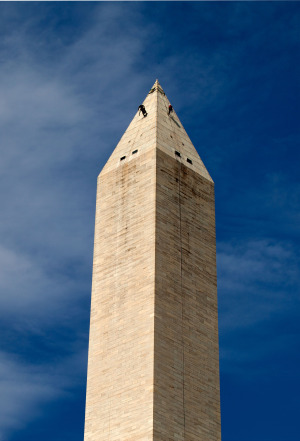
 When's the last time you looked out over Washington, D.C., from the top of the Washington Monument? Try it again this spring, when this iconic landmark reopens, with earthquake repairs and new exhibits planned by a team including yours truly.  READ MORE

Nature's Navigators 

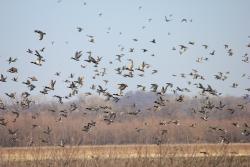
Every time I work on interpretive panels for another National Wildlife Refuge, I am astonished – again! – by the incredible journeys made by millions of birds every year. Read more... 

Traveling El Camino Real

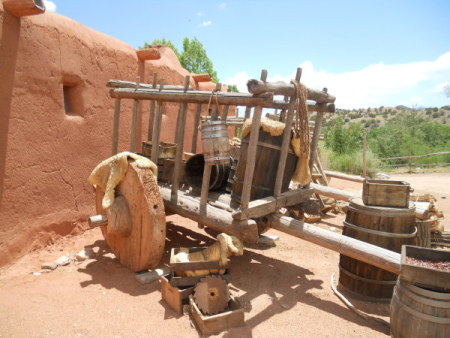
Thanks to funding from the FHWA National Scenic Byways program, we have a great assignment this fall: creating interpretive signs for a section of El Camino Real de Tierra Adentro National Historic Trail in Santa Fe, NM.  Read More... 


Atlanta: City in a Forest

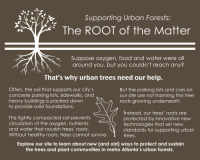
How does a fast-growing city keep its trees? Just ask Trees Atlanta – a non-profit dedicated to protecting existing trees and planting new ones throughout metro ATL. 

GIG just finished TA's new signage! Read more...


Swimming, Anyone?

A lone lifeguard chair remains at Horseshoe Bend Beach in Montana's Bighorn Canyon National Recreation Area. 

I'm spending most of a Georgia January daydreaming of faraway places-- Read More


Tuesday
May032011

John Muir National Historic Site, Martinez, CA

National Park Service

Long-Range Interpretive Plan (excerpt)

Since 1964, when the historic Alhambra Valley estate and orchards once operated by John Muir came under the protection of the National Park Service, this small, moderately attended site has had notable success in preserving historic structures and re-assembling important parcels of land, including the Muir family cemetery and the undeveloped 326-acre expanse of Mt. Wanda.

But the site has also suffered some disappointments. A busy freeway bisects the property, separating the Victorian mansion from the pastoral heights of Mt. Wanda. The property entrance and parking lot on Alhambra Avenue remain inadequate. An ambitious plan to fund an environmental education and interpretive center has been unsuccessful. Perhaps most significantly, interpretation and visitor experiences have been adversely impacted over the years by inadequate space for visitors, limited staff , and the inherent contradictions of using a Victorian house with period furnishings as the primary vehicle for interpreting the extraordinary life and accomplishments of John Muir.

This Long-Range Interpretive Plan offers guidance for enriching interpretive programming and improving visitor experiences with John Muir National Historic Site over the next ten years. The plan proposes short-, mid- and long-term strategies, including rethinking the current historic house approach and refurbishing the existing visitor center, to revitalize the site’s interpretive program in support of three primary interpretive themes.

In a series of workshops with stakeholders, including volunteers, donors, educators, community leaders, and members of the Muir family, the planning team identified the following themes as central to the visitor experience at John Muir National Historic Site.